

TO BE SEEN
Through the Halogen project, Seattle’s trans people of color are photographed on their own terms.
WORDS AND PHOTOS BY CHLOE COLLYER
Nearly 3 million people, and rising: More and more Americans are identifying as transgender. While 3.3% of all youth openly identify as trans or nonbinary in the US, there are no doubt more young people privately uncomfortable and struggling with their gender assigned at birth.
I was one of those children. Mirrors used to be my nemesis, a camera was my worst enemy. As a teen, I was surprised to find solace in self-portraits where I controlled the point of view. This process became an important tool during my battles with depression and dysphoria.
Today, almost half of America’s trans youth have reported serious mental-health struggles, according to recent surveys by The Trevor Project. And the Trump administration’s efforts to eliminate government funding for trans-focused healthcare and research have made this crisis even worse. The majority of trans youth struggling with their mental health now report that they lack any access to mental healthcare, leading many to search for support outside traditional clinical medicine.
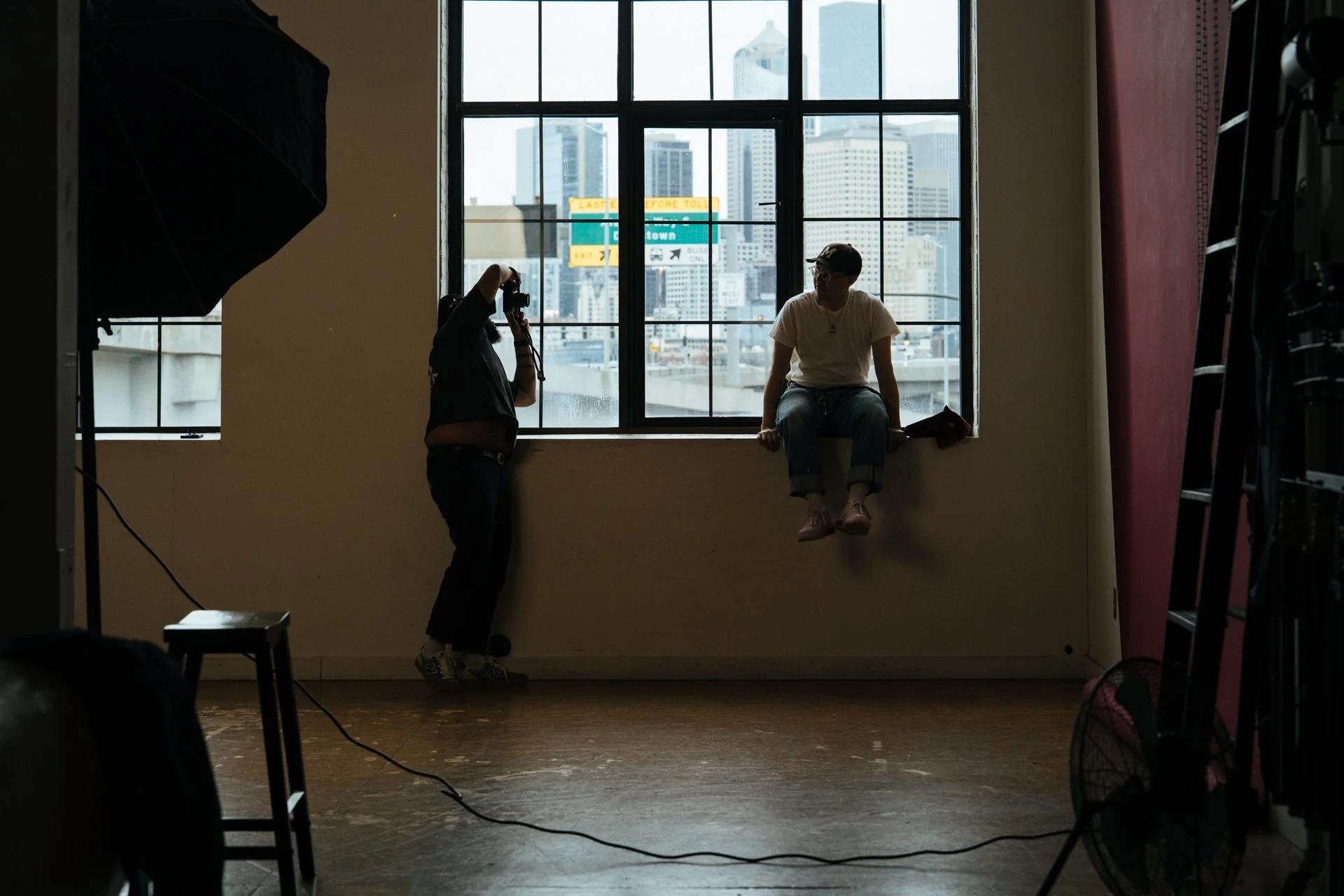
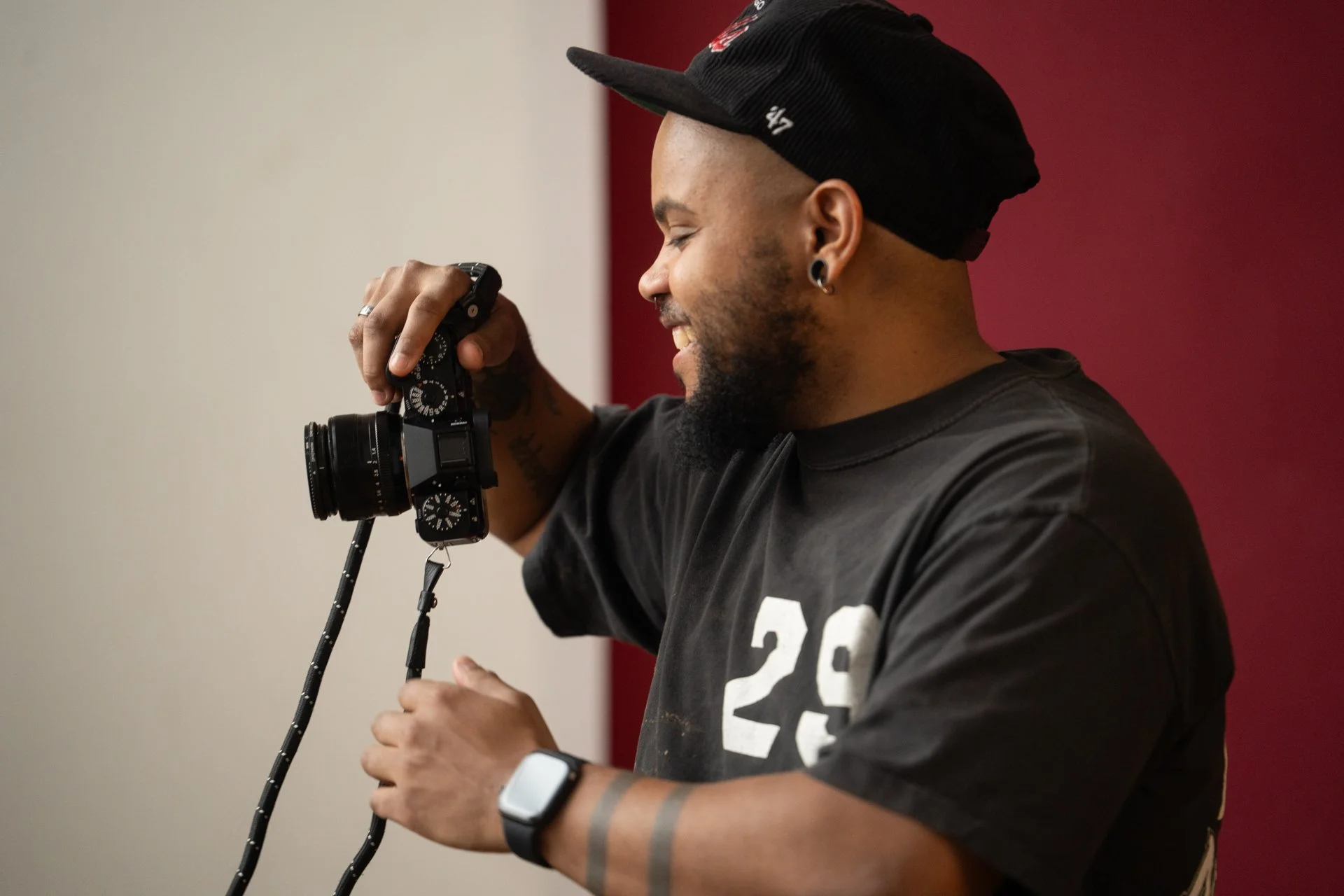
Remy Styrk, a local trans photographer who grew up in Kansas, is one such source of support. His ongoing project, called “Halogen,” provides free photoshoots to trans people of color, and approaches portrait photography as a form of community care in the face of limited resources — as well as a form of mental-health awareness. It comes from a personal place.
“[For me,] there was no claiming of transness in Kansas,” Remy told me, looking back at his experiences growing up. “It was like I robbed myself of so much joy and, like, being able to really express myself and see myself experience joy through photos.”
Gender dysphoria. Community care. The power of portraiture. Those themes swirled through my mind as I sat in on a Halogen portrait session near Pioneer Square on a gloomy, rainy March afternoon. In one of the nation’s largest majority-white cities, which is struggling to support artists amidst a tech bubble bursting, two artists who’ve adopted Seattle as their home, two trans men of color, laughed playfully as they collaborated together to make images.
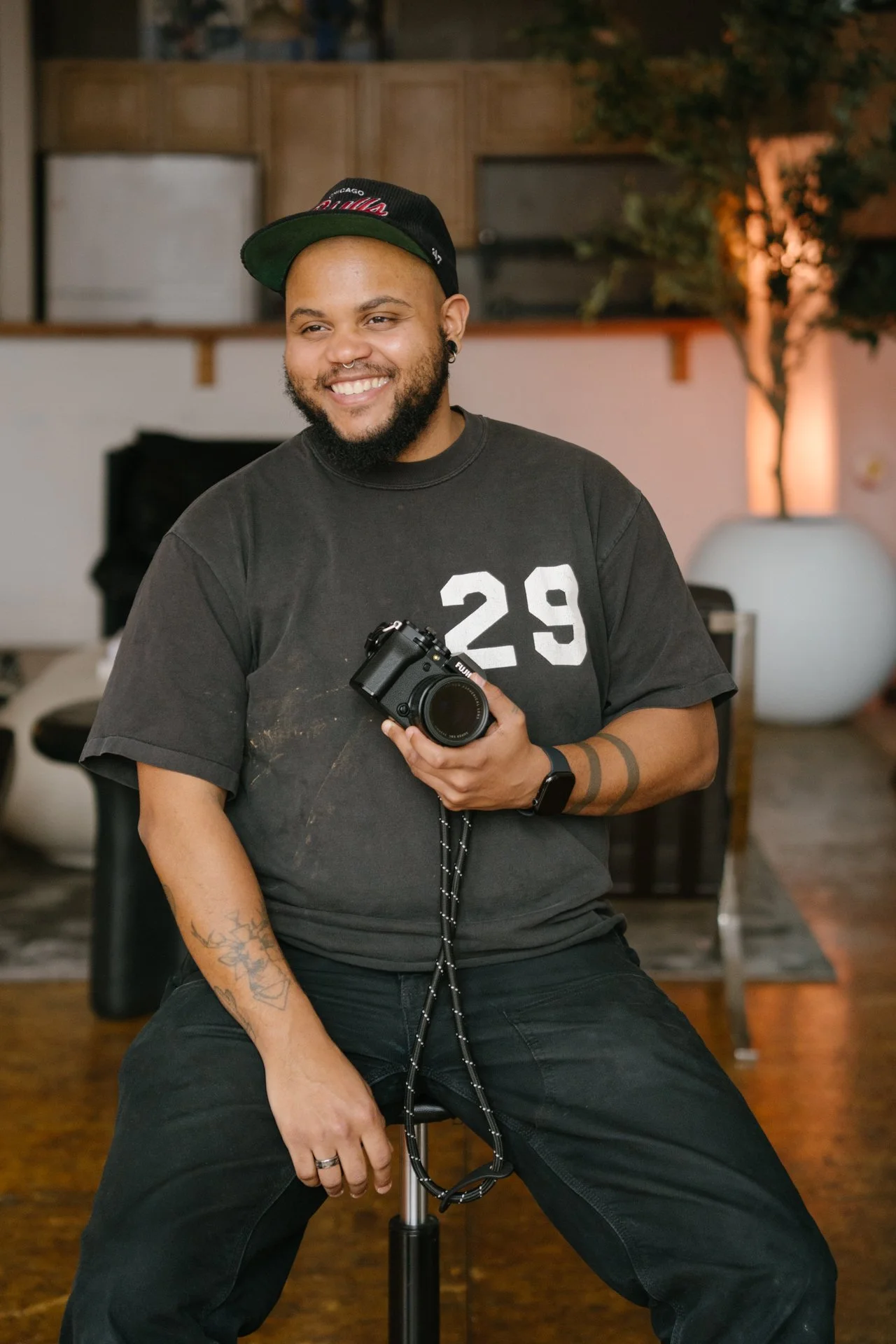
“With the free photoshoots, I’m just trying to create a space that I wish I had. For people to really, like, define what autonomy and visibility mean to them.”
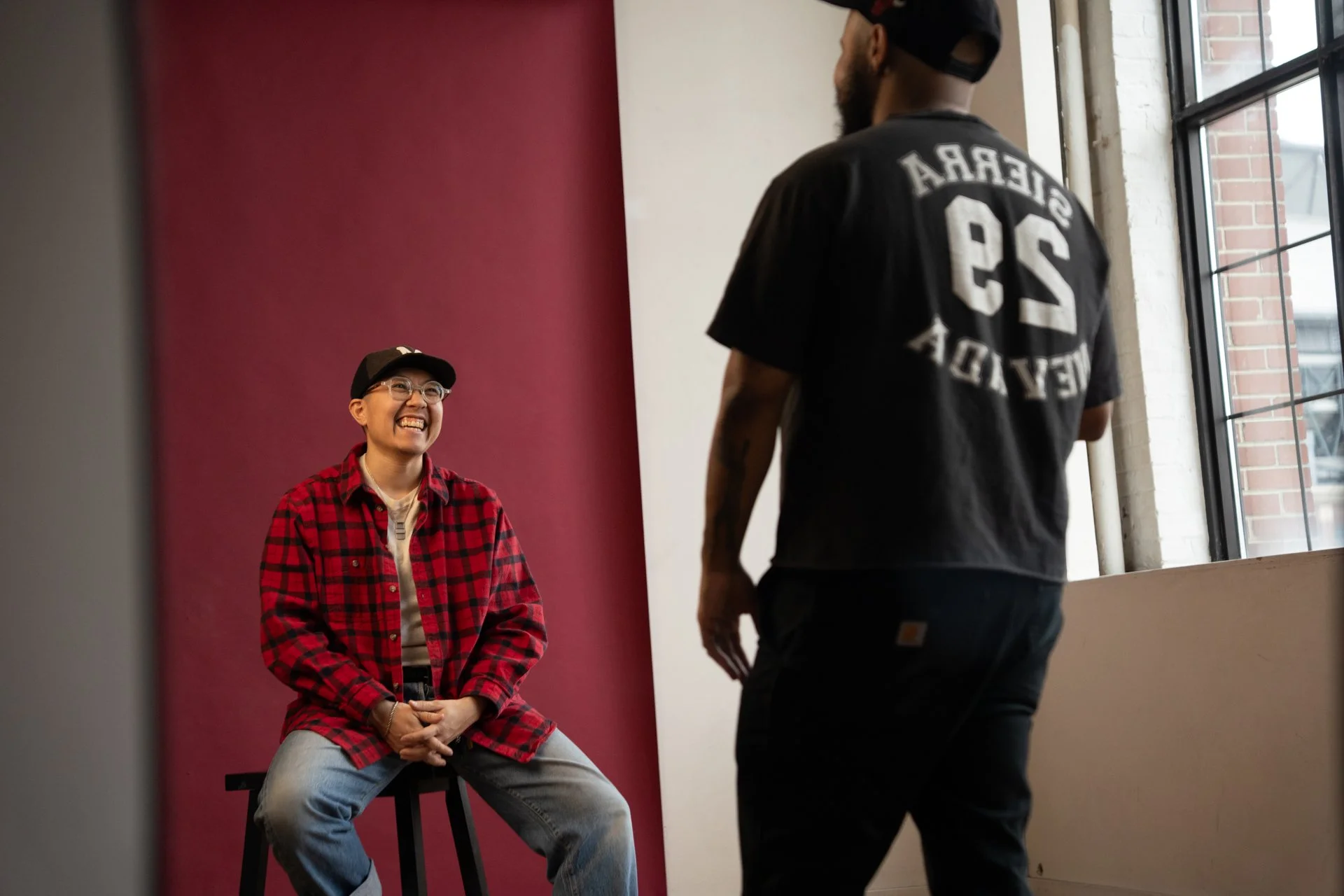
“For me, if you zoom out, all the way out, to the very broadest level of what trans is, it’s, Where does the soul need to live, to have the most meaningful life?”
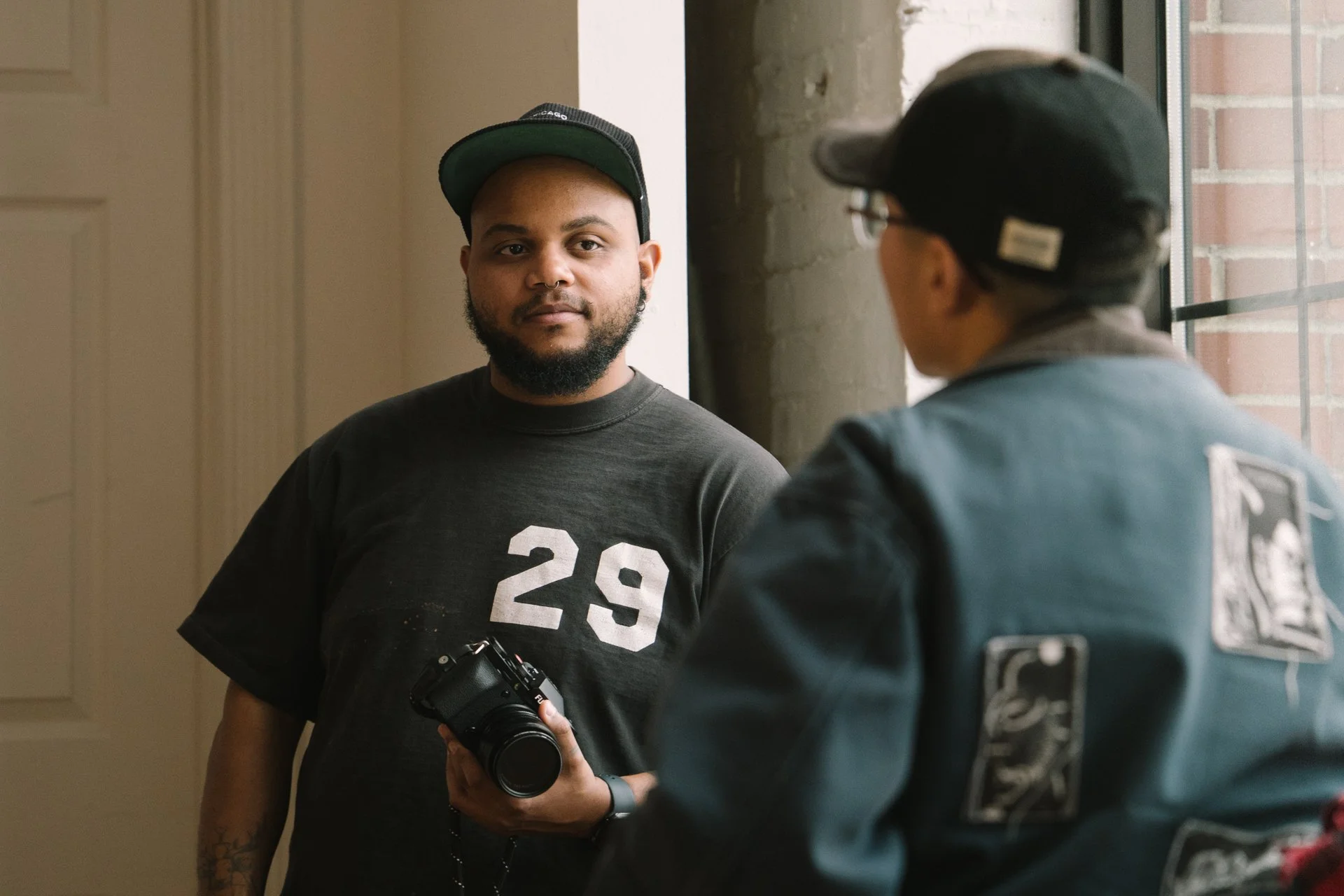
“When you take a photo of something, you submit a very specific form to time forever — and that's what trauma does in the body… it takes that screenshot”
“[Now] I see myself in so many people that I photograph. It’s done something on a very deep level to hear people say that they see themselves in me as well.”
To sign up for a free photoshoot and/or support Remy’s project, visit Halogen’s website.
Chloe Collyer is photographer, journalist, and fifth-generation Seattleite. Check out their work, and read our Q&A with Chloe, which we published in November.